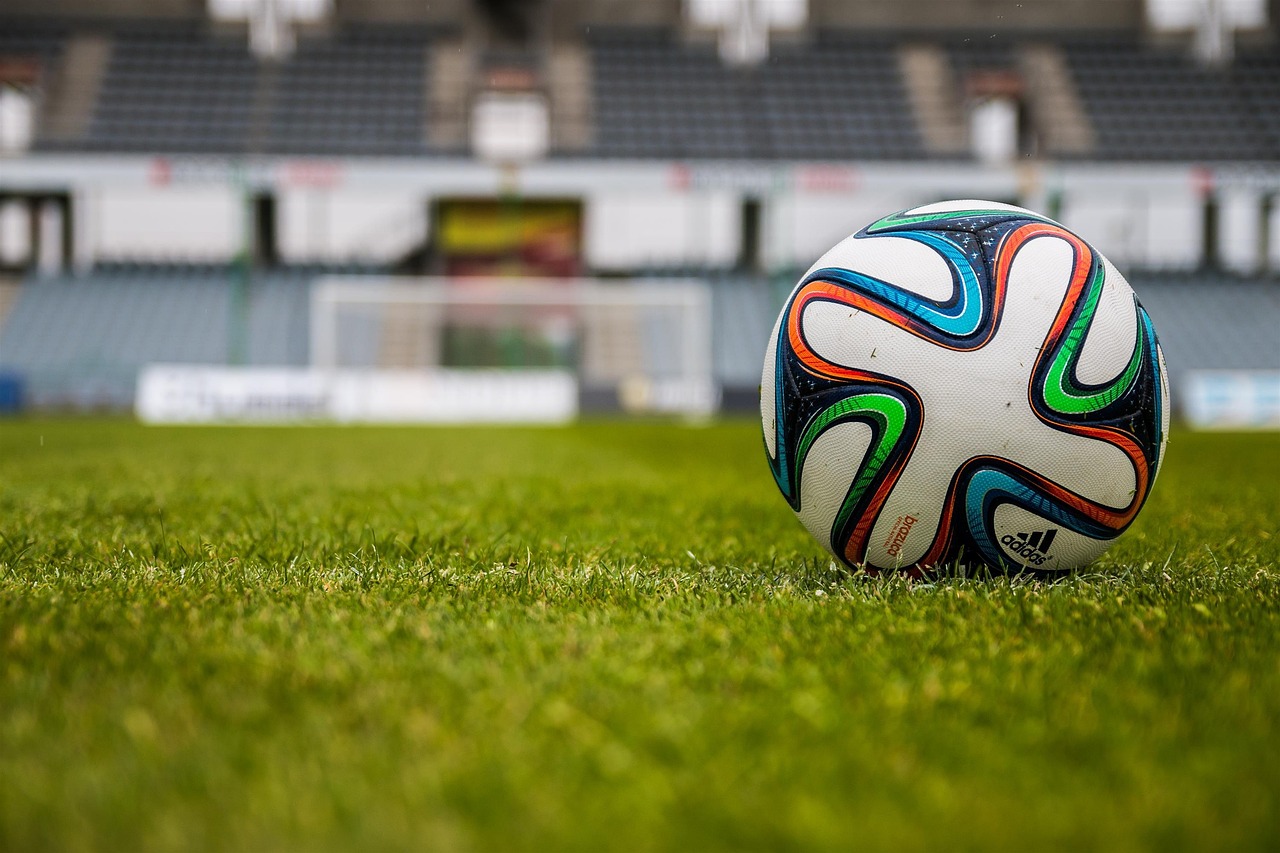


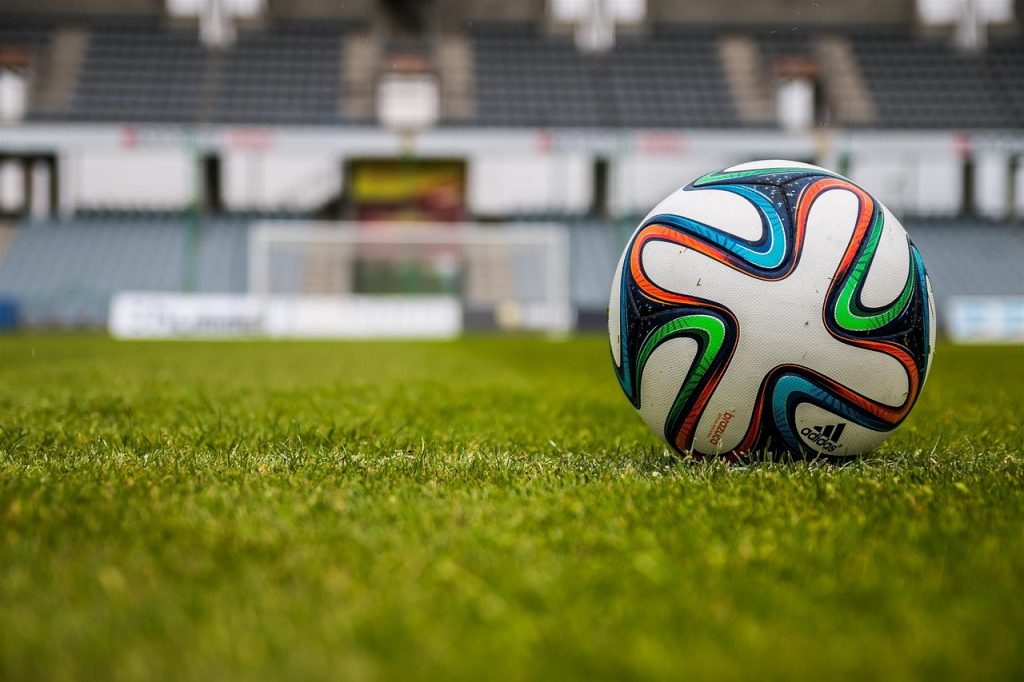
June's writing prompt is to write a memory of a world or personal event in my life. As it's World Cup time, I picked this. Hope you enjoy it.
In sixty-six years on this planet, I’ve witnessed my fair share of earth-shattering moments. A lifetime, you might think. Yet compared with the age of the Earth, where millions of years have passed with mountains rising, oceans forming and dinosaurs wandering about making a terrible mess of everything, my existence is barely a blink. More of a polite nod from the universe than a full introduction.
Trying to choose the biggest event from those years is almost impossible. There have been wars, discoveries, tragedies and moments that changed the world forever. According to the great oracle of modern life, AI, the biggest event in the UK during my lifetime was Brexit. Don’t worry, I’m not going down that particular rabbit hole. That path is full of opinions, arguments and enough keyboard warriors to fill Wembley Stadium twice over.
So, what else?
I’ll avoid family and friendships. Not because they aren’t the most important things in life, but because they deserve more than a passing mention in a piece about football and memories. Perhaps another day.
We landed on the moon. I missed that one because I was on holiday in Skegness. Not exactly the Sea of Tranquillity, although the amusement arcades did have a certain lunar quality after dark. I suspect Neil Armstrong had fewer people trying to win a cuddly toy with a suspiciously weak claw.
Then there was the tragic murder of John Lennon. I was never the biggest Beatles fan, but that day hit differently. Someone who had brought so much joy, music and imagination into the world had his life taken away just as he seemed ready to create more.
Then came 1985, when the miners returned to work after one of the longest and most bitter disputes in British history. Growing up in the north, I saw the effect it had on communities. Men who had fought hard for their jobs walked back into the pits with their heads held high, but you could sense the weight they carried. That day brought a tear to my eye.
But the moment I’m going to write about isn’t a political event, a tragedy or a world-changing discovery.
It’s football.
The 1966 World Cup.
England famously won it and supposedly “brought football home.” Although, if we’re being historically accurate, the Jules Rimet Trophy was created by a Frenchman, and England didn’t even enter the tournament until twenty years after it began. So technically, we were bringing home something we’d only recently decided we wanted. Very British behaviour really. Ignore something for years, then win it once and claim ownership.
Yet on that glorious day in 1966, England defeated West Germany at Wembley and lifted the famous trophy. The pictures became legendary. The crowd roaring. The celebrations. And, of course, the unforgettable sight of Nobby Stiles dancing around Wembley with a grin, a trophy and a set of teeth that appeared to have taken an early retirement.
Now here comes the embarrassing part.
I don’t remember it.
Not a thing.
The moment every England supporter point to as proof that we are footballing royalty somehow sailed past me completely. The day that generations have talked about, argued over and replayed endlessly, I didn’t even know we’d won it.
I came from a non-football household. Football wasn’t the centre of family life. It wasn’t discussed over breakfast, analysed over dinner or dissected like a military operation after every match. My dad, a copper, had been on duty at Hillsborough during that time. I remember having a World Cup Willie badge, but I loved collecting badges, so I probably saw it more as a shiny little treasure rather than a piece of football history.
By the 1970 World Cup, things had changed. Thanks to my legendary Uncle Pete, I had started attending Wednesday games. My first match was a 2-1 defeat against Arsenal. For years, I honestly thought we had won. Looking back, that was probably my first proper lesson in being a Wednesday supporter. Hope arrives early; reality usually follows behind carrying a large stick.
By 1974, England had failed to qualify, but I was becoming hooked. No England meant my attention turned elsewhere, and it landed on the magnificent Dutch team led by Johan Cruyff. They played football that felt like art. Unfortunately, they didn’t win, which should have been a warning sign. Whenever I start supporting a team, disappointment tends to pack a suitcase and move in.
The 1978 World Cup brought more Dutch heartbreak, but this time I wasn’t too upset. Argentina national football team deserved their victory. I still remember the paper snow falling from the stands during the celebrations. A beautiful image from a tournament full of colour and drama.
The next few tournaments involved England heartbreak. The “Hand of God,” Paul Gascoigne crying after the 1990 semi-final, and Chris Waddle missing that penalty. Football has an extraordinary ability to make millions of people suffer collectively while still coming back for more.
Then came 1998.
That was when football truly became something shared again.
My son Nick was six years old. I’d already taken him to Hillsborough, and although he wasn’t completely converted, the World Cup magic caught him. Especially the important things. The coins. The stickers. The half-time sausage rolls. The sacred rituals that every young football fan understands.
We watched every England game. Three Lions by Baddiel and Skinner provided the soundtrack, and we believed. We dreamed. We imagined that this time football really would come home.
It didn’t.
But something better happened.
We created memories.
We became season ticket holders at Wednesday. The football was not always kind to us. In fact, it occasionally behaved like it had a personal grudge. Relegation followed relegation, with hope sometimes needing a map to find us.
Yet those years were some of the happiest of my life.
We celebrated England beating Argentina in 2002 while watching from a slate mine in Wales. We endured the heartbreak of losing to Portugal in 2006 while camping near Barnsley. The 2010 World Cup brought disappointment rather than magic.
Still, every tournament arrived with the same belief.
This could be the one.
We were dreamers.
And maybe that’s what football gives you. It doesn’t matter how many times it lets you down. Every four years, hope walks back through the door wearing an England shirt and carrying a bag of impossible dreams.
The best moments weren’t the victories. They were sitting beside Nick, watching the games, sharing the excitement, believing together. Football gave us something to look forward to. It turned ordinary evenings into memories.
I still get excited when the World Cup comes around. I remember those years when Nick would soak up the atmosphere, when every match felt like an adventure waiting to happen.
You can’t rewind time. You can’t return to those moments.
But you can keep them.
And this year?
We’re going to win it.
Football is finally coming home.
Probably.
Maybe.
Definitely.
Well… I’m still a dreamer.